Compton Spring
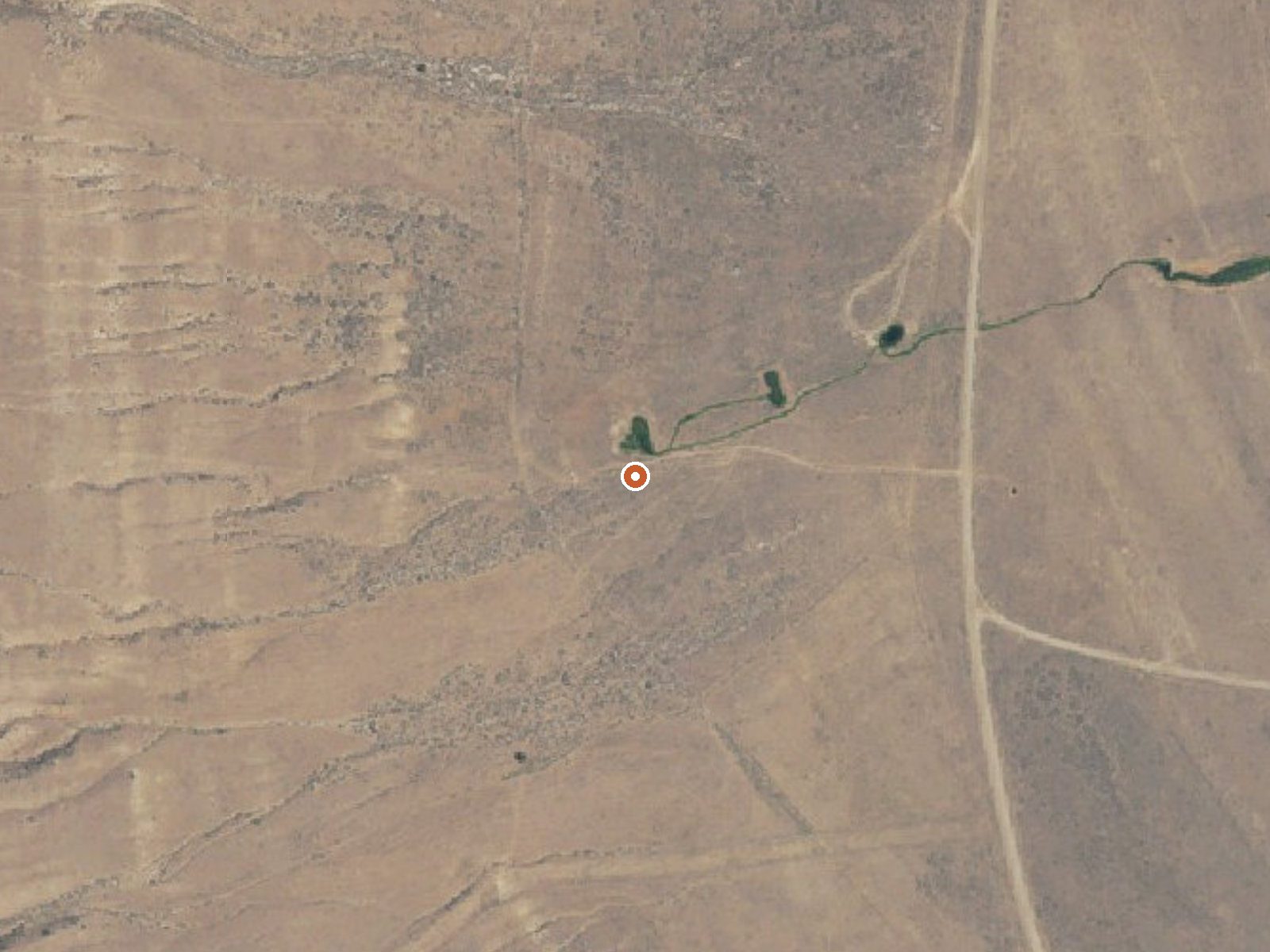
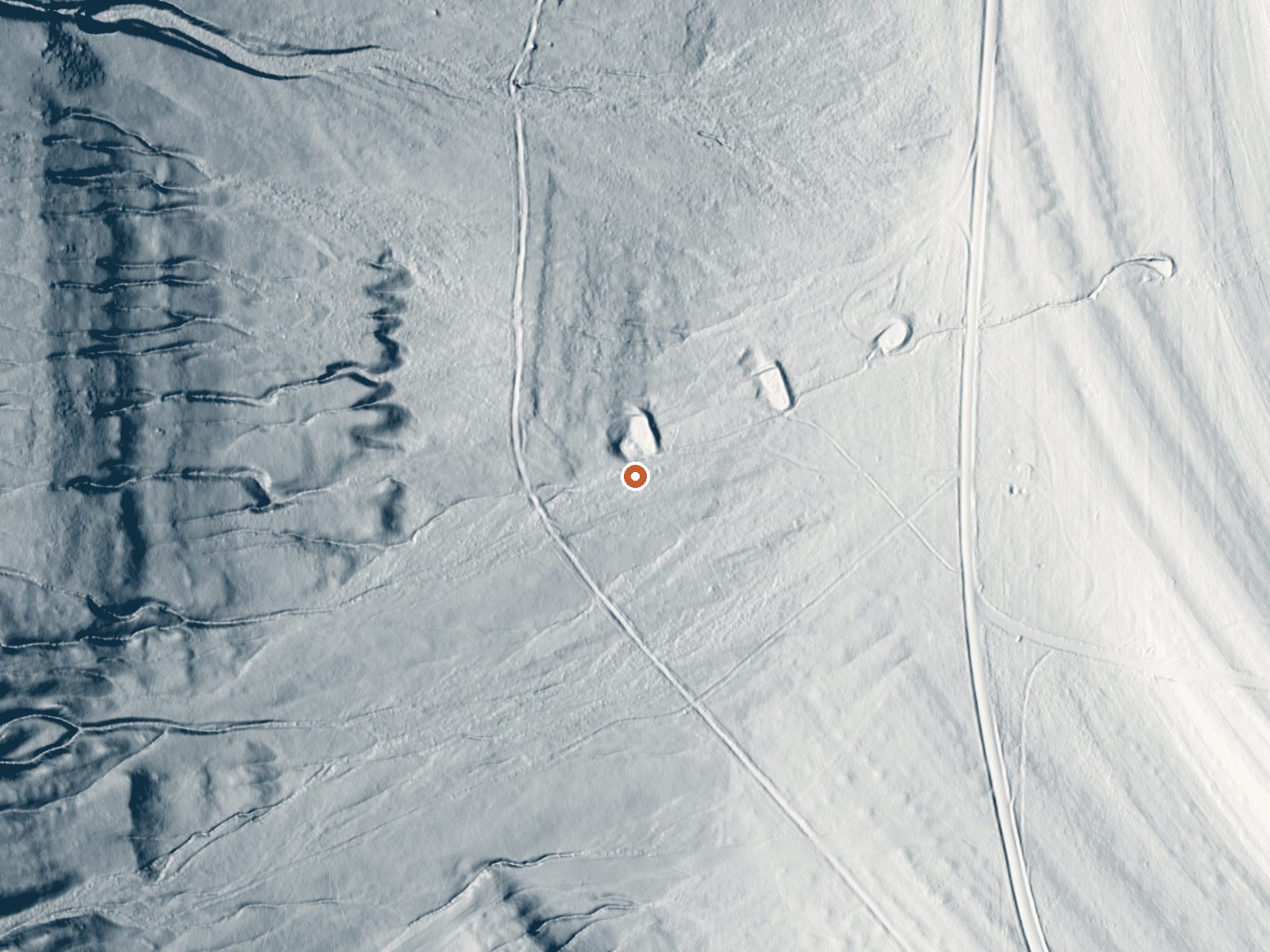
Drag the handle to compare the two views. The orange dot marks the spring, in a frame about three quarters of a mile wide.
Compton Spring is a warm seep in Weber County, roughly eight miles from Hooper, with a 1970 sample showing lightly mineralized water. The temperature is warm, below what most people would soak in. Who owns it is not on file, and an access status is missing too. It is a short walk from South East Promontory Road.
Count on roughly a fifth of a mile between South East Promontory Road, the nearest road, and the spring. Mid elevation, with about two feet of winter snow and moderate precipitation. Simpson Springs Campground, fifteen miles distant, is the nearest one named, and that is a long way to go for a tepid spring.
The winter months are the listed best. It is a short walk in, no fee noted, and no owner named, so find out whose land before you cross it. The water is only warm. The chemistry is from 1970 and has not been resampled on the record since. Hooper is the closest town if you need to ask around.
Aircraft with laser scanners measured this ground to within inches. The scan strips out trees and buildings, leaving the bare shape of the land around Compton Spring.
- Setting
- Gentle slope
- The ground tilts gently up to the west.
- Highest ground nearby
- 208 ft above the spring
- Within a quarter mile, to the west
A slice through the ground from west to east, about 0.6 miles end to end.
Elevation data: USGS 3D Elevation Program. Aerial imagery: USGS The National Map. Public domain.
That's about twice the US average of 65. It's higher than at 65% of the springs on this site.
Heat flow measures the warmth working its way up through the ground from deep inside the earth. Where it runs high, rain and snowmelt that seep down through cracks in the rock come back up hot.
See every spring on the geothermal heat map →
Heat flow estimate: Stanford Thermal Earth Model (Aljubran & Horne, 2024), CC BY 4.0.
The water at Compton Spring is slightly alkaline (pH 7.5) with 1520 mg/L total dissolved solids. It is notably rich in magnesium (known for muscle relaxation and stress relief), sodium (supports circulation and skin hydration), and chloride (natural antiseptic with skin health benefits).
Overview The campground is situated on the eastern edge of Utah's West Desert near the historic Simpson Springs station on the Pony Express National Historic Trail. Simpson Springs was the site of a significant Civilian Conservation Corps (CCC) camp in the late 1930s and early 1940s, just prior to the establishment of the US Army Dugway Proving Grounds during World War II. Recreation Hiking, picnicking, OHV riding, mountian biking, horseback riding, wildlife viewing, scenic backcountry byway,...