Pearl Hot Springs
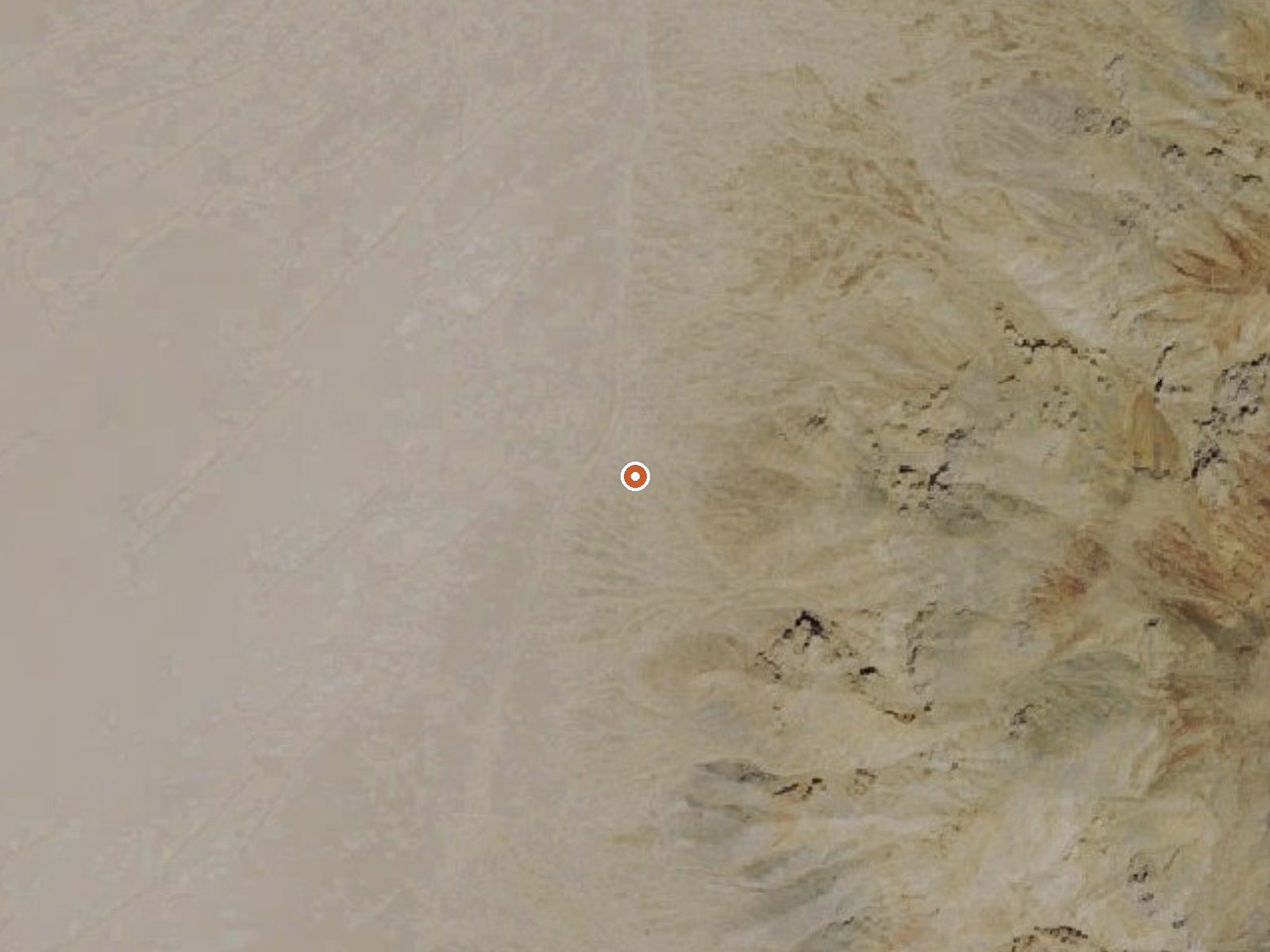
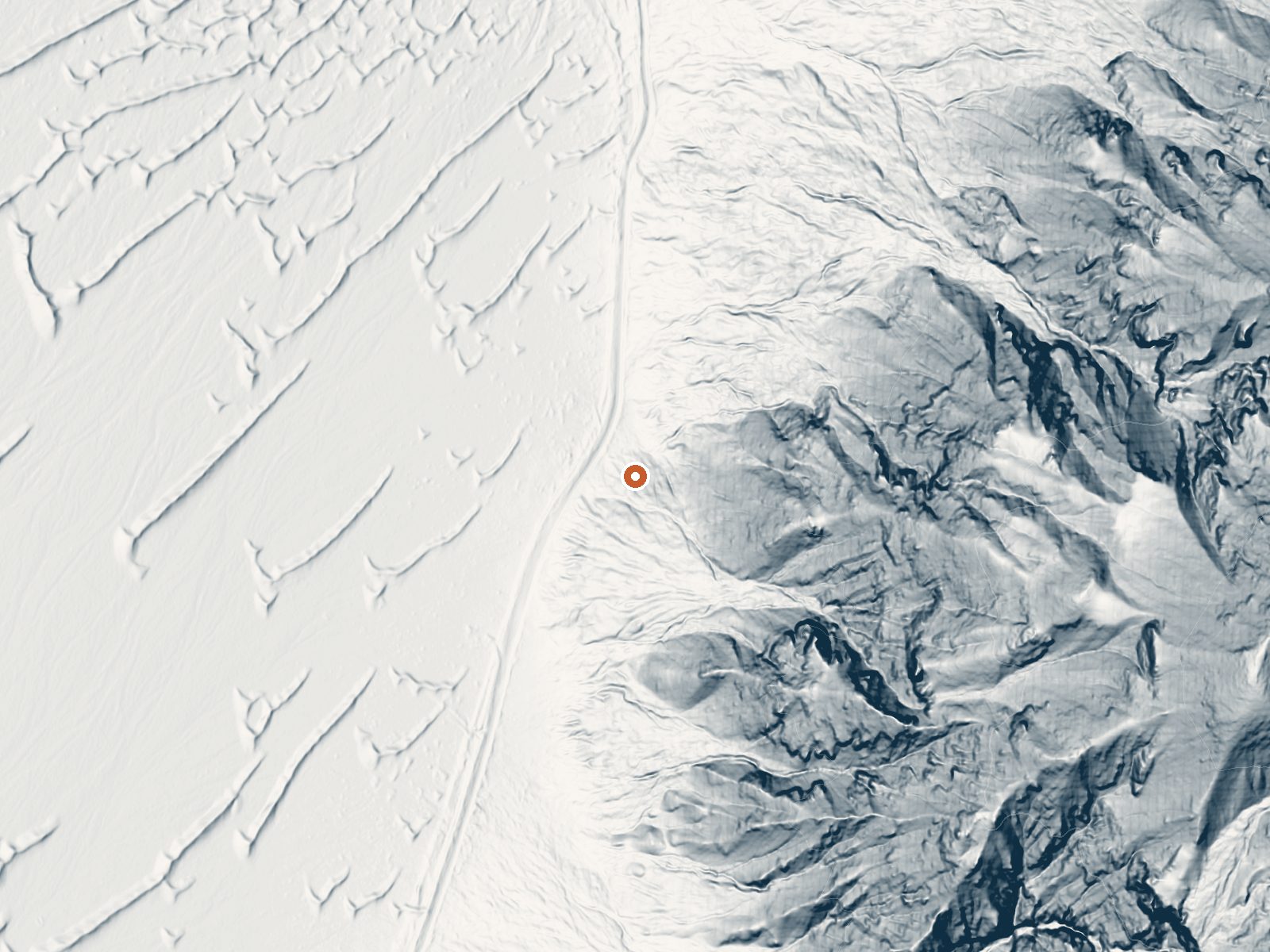
Drag the handle to compare the two views. The orange dot marks the spring, in a frame about three quarters of a mile wide.
Pearl Hot Springs runs warm enough to soak in, on open BLM land in Esmeralda County about fifteen miles from Goldfield. Pearl Spring Road passes right by it. The Tonopah Field Office manages the parcel. Public access reads open in the record. The water sits a few degrees under body heat.
Pearl Spring Road passes within about fifty yards. Mid-elevation desert, warm for Nevada with a sixty-degree annual average, dry, six inches of precipitation, twelve inches of snow in a normal year. Open public land under the BLM, no special designation. No water chemistry has been recorded for this spring, so mineral content and pH are blank.
December through February get the nod in the record, and at this temperature cold air makes the water feel its best. Roadside, so no walking. No campground is recorded within range, and no fee. Goldfield is the closest town the record gives. Nothing is on file about a USGS discharge or a pool, so what the spring looks like on the ground is not described here.
Aircraft with laser scanners measured this ground to within inches. The scan strips out trees and buildings, leaving the bare shape of the land around Pearl Hot Springs.
- Setting
- Hillside
- The spring sits on a steep slope that climbs to the southeast.
- Highest ground nearby
- 673 ft above the spring
- Within a quarter mile, to the southeast
A slice through the ground from northwest to southeast, about 0.6 miles end to end.
Elevation data: USGS 3D Elevation Program. Aerial imagery: USGS The National Map. Public domain.
That's close to the US average of 65. It's higher than at 10% of the springs on this site.
Heat flow measures the warmth working its way up through the ground from deep inside the earth. Where it runs high, rain and snowmelt that seep down through cracks in the rock come back up hot.
See every spring on the geothermal heat map →
Heat flow estimate: Stanford Thermal Earth Model (Aljubran & Horne, 2024), CC BY 4.0.